
How Much Does Eyelid Surgery Cost in Australia?
When it comes to blepharoplasty, our Melbourne patients often ask how much eyelid surgery is based on their unique situation....
Read article →

Remove excess skin that creates folds in the eyelids.
Remove the upper eyelid skin that drapes down over the pupil, affecting the peripheral vision.
Reduce the monolid (epicanthic fold) or lack of a crease in the upper lid.
During upper eyelid surgery, incisions are carefully made along the natural crease of the upper eyelid. Through these incisions, excess skin, fat, and in some cases, muscle tissue, may be adjusted or removed.
Eyelid surgery (blepharoplasty) is a procedure used to address issues related to the upper and lower eyelids. At our clinic, we offer both non-surgical eye lift and eye lift surgery.
Before deciding on cosmetic surgery, it’s important to have realistic expectations about the outcome. Talk to your cosmetic doctor about what to expect from the surgery and make sure you understand the recovery time and results.
Aside from cosmetic purposes, eyelid surgery is also used to correct functional medical issues. This can include addressing vision impairment related to excess eyelid skin. Both cosmetic and corrective blepharoplasty procedures can also be performed at the same time if required.
Cosmetic blepharoplasty removes excess skin, fat, and muscle from the eyelids. This procedure addresses issues such as descending eyelids and excess fat in the under-eye area.
Functional blepharoplasty is performed to address medical issues that affect vision or eye health. This procedure addresses descending upper eyelids (ptosis) that obstruct the field of vision.
Lower blepharoplasty surgery addresses issues in the lower eyelid area, such as:
Descending lower eyelid, making the white portion of the eye (sclera) visible.
Ectropion (a condition where the lower eyelid turns outward, away from the eye)
Entropion (a condition where the eyelid, usually the lower one, turns inward)
In most cases, an incision may be made just beneath the lower eyelashes or on the inner surface of the lower eyelid. The location depends on the specific concerns being addressed.
Transconjunctival Blepharoplasty (Internal-Incision Eyelid Surgery)
Transconjunctival blepharoplasty is a surgical procedure that addresses fat beneath the lower eyelid. It is considered for patients who do not require skin removal and who have good skin elasticity. This technique is used to manage under-eye fat deposits.
Subciliary Lower Blepharoplasty (aka External-Incision Lower eyelid Surgery)
Subciliary lower blepharoplasty, also known as external-incision lower eyelid surgery, is a procedure that may be considered to address concerns such as excess skin, fat, or muscle in the lower eyelid area. In this approach, an incision is made just beneath the lash line, providing access to the tissues that may be adjusted.
Pinch blepharoplasty is a technique that removes small amounts of skin from the lower eyelids. Compared to traditional blepharoplasty, it involves less extensive incisions and tissue adjustment.
Double eyelid surgery (Asian Blepharoplasty or Ethnic Blepharoplasty)
Double eyelid surgery involves creating a visible crease in the upper eyelid. This procedure may be considered by patients seeking to change the natural fold in the upper inner corner of the eye.
In some cases, a laser may be used to make incisions in the eyelids. The decision on whether a laser approach is suitable is made during consultation, after an assessment of individual needs.
Non-surgical options are also available for patients who prefer not to undergo surgery. These treatments generally use devices that apply heat to the skin. Suitability and details are discussed during consultation.
After eyelid surgery, bruising and swelling are expected. Once the anaesthesia wears off, some pain or discomfort around the eye area may occur. A protective dressing may be applied to cover the eyelids.
In the early stages of recovery, the eyes may be sensitive to light and can feel watery, dry, or irritated. The degree of swelling and bruising can vary between patients and may take time to settle.
If fine sutures are used, they are generally removed a few days after surgery. Before leaving, patients are given clear aftercare instructions. These may include the use of cold compresses and eye drops, which help support comfort and recovery.
An allergic reaction to the anaesthesia or other products used during surgery
Browse our before & after images of procedures performed by Dr Mark Attalla in Melbourne, Australia
The outcomes shown are only relevant for this patient and do not necessarily reflect the results other patients may experience, as results may vary due to many factors, including the individual's genetics, diet and exercise.
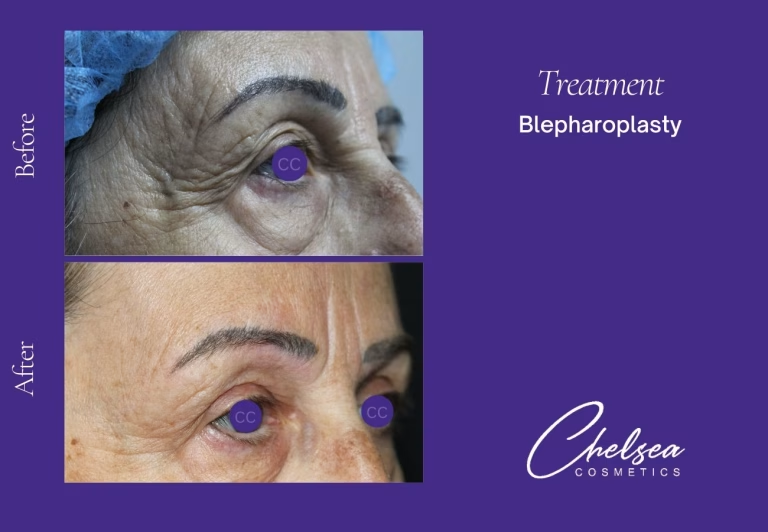


If you are considering eyelid surgery melbourne (blepharoplasty), we invite you to schedule a consultation with Dr Mark Attalla at Chelsea Cosmetics Melbourne.
During your consultation, Dr Attalla will discuss your goals, assess your suitability, and explain what the procedure involves, including recovery and expected outcomes.
Request Consultation



Dr Mark Attalla, MBBCHa FACCS – Cosmetic Practitioner
MED0001170831
Dryness, burning, and itchiness in the eyes can occur after eyelid surgery. It is important to avoid touching or rubbing the eyes during this time. Patients may be advised to use eye drops, which should only be those approved or prescribed by Dr Mark Attalla.
Following the wound care instructions provided at discharge is important for supporting comfort and lowering the risk of infection. While patients may be able to resume light activities such as reading, using a computer, or watching television, the eyes may become tired more quickly in the early recovery phase.
Wearing dark sunglasses outdoors or in bright environments can help protect the eyes from sunlight, wind, and other irritants. Contact lenses should not be worn until advised it is safe to do so, as this can vary between patients.
Patients are generally advised to avoid alcohol while healing, as it may contribute to dryness and fluid retention. Eye makeup should not be used until the wounds are fully healed. Activities that raise blood flow to the eyes, such as heavy lifting or strenuous exercise, should also be avoided in the initial recovery period.
Recovery experiences can differ from patient to patient, and specific guidance will be provided during follow-up care.
Blepharoplasty results are permanent and become noticeable several weeks after the completion of an eyelid surgery procedure. However, it can take up to 12 months for the incisions to heal completely. Patients must avoid exposing their eyelids to UV light during the healing process.
Before deciding on cosmetic surgery, it’s important to have realistic expectations about the outcome. Talk to your cosmetic doctor about what to expect from the surgery and make sure you understand the recovery time and results.
Although the results are permanent, the body’s natural ageing process continues; therefore, the patient’s eyes will change as time passes and potentially require further procedures.
COMMON QUESTIONS
Someone who is in good health.
Does not have a serious eye condition
Has healthy facial muscles and tissues.
Is a non-smoker.
Do not use any nicotine products (e.g., chewing tobacco, e-cigarettes).
Eyelid surgery generally takes between 30 and 60 minutes. The length of time depends on whether one or both eyelids are treated, or if procedures are combined.
The type of anaesthetic used can vary depending on the procedure and individual needs. Options are discussed during consultation so patients understand what is most suitable in their situation.
Not all patients are suitable for eyelid surgery. For example, those with certain eye conditions, such as ongoing infections or severe dryness, may be advised against it. Suitability is assessed individually during consultation.
In most cases, eyelid surgery is not covered by Medicare or private health insurance when performed for cosmetic reasons. In some circumstances, a contribution may be possible if the surgery is assessed as medically necessary. This is determined on a case-by-case basis and may involve further assessment.
The cost of blepharoplasty can vary. It may depend on factors such as the complexity of the procedure, whether it involves the upper eyelids, lower eyelids, or both, and the associated hospital or facility fees. A detailed cost estimate is provided during consultation.
It is important to understand the risks and complications before having the surgery, which are:
FURTHER READING
When it comes to blepharoplasty, our Melbourne patients often ask how much eyelid surgery is based on their unique situation....
Read article →